
Key Takeaways
- Most quick lunch recipes take 10 to 15 minutes when ingredients are prepped in advance or kept ready in your pantry
- You need only five to six kitchen tools to handle nearly every fast lunch recipe effectively
- Sunday batch cooking for 60 to 90 minutes can cover four to five weekday lunches with almost no daily effort
- Desk-friendly lunches should be high in protein and fiber and low in refined carbs to avoid the afternoon energy crash
- Budget-friendly lunches using pantry staples (canned beans, eggs, whole grains) typically cost under $3 to $5 per meal
- Zero cooking skills are not a barrier: assembly-based meals like grain bowls and wraps require no heat at all
- Dietary restrictions (gluten-free, dairy-free, plant-based) are easy to accommodate with a few simple ingredient swaps
- The biggest beginner mistake is overcomplicating the first week; start with two or three repeatable recipes, not ten
Why Stress-Free Cooking for Solo Entrepreneurs During Lunch Breaks Actually Matters
Solo entrepreneurs face a specific problem at lunchtime that salaried employees generally don’t: every minute spent deciding what to eat is a minute pulled directly from billable work, creative thinking, or client communication. There’s no cafeteria, no team lunch, and no one else managing the logistics.
According to a 2022 report by the American Psychological Association, work-related stress is consistently higher among self-employed individuals compared to those in traditional employment, partly because boundaries between work and personal care routinely collapse. Skipping lunch or defaulting to ultra-processed convenience food is one of the most visible symptoms of that collapse.
Stress-free cooking for solo entrepreneurs during lunch breaks solves two problems at once: it protects your midday nutrition and it removes one more decision from an already decision-heavy day. When lunch is predictable and fast, it becomes a genuine mental reset rather than another task to manage.
How Long Does a Quick Lunch Recipe Actually Take
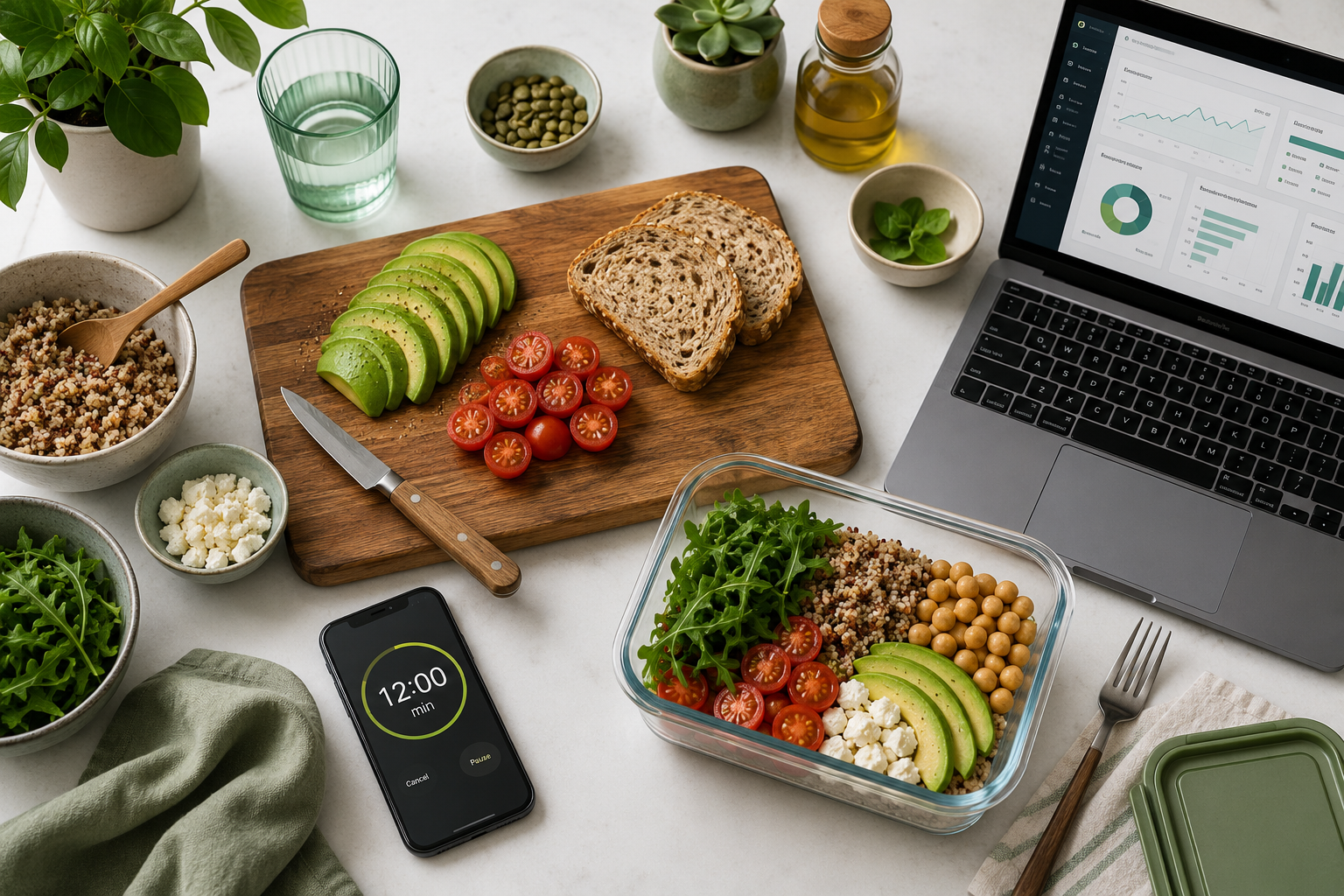
A genuinely quick lunch takes between 8 and 20 minutes from start to plate, depending on whether any ingredients were prepped ahead. Most recipes marketed as “15-minute meals” assume some prep has already happened, such as cooked grains or washed greens already in the fridge.
Here’s a realistic time breakdown by meal type:
| Meal Type | Active Prep Time | With Sunday Prep |
|---|---|---|
| Grain bowl (rice, quinoa, toppings) | 15-18 min | 4-6 min |
| Wrap or sandwich | 5-8 min | 3-5 min |
| Egg-based skillet | 10-12 min | 8-10 min |
| Reheated soup or stew | 2-4 min | 2-4 min |
| No-cook salad with protein | 8-10 min | 4-6 min |
The honest answer is that most solo entrepreneurs can have a nutritious lunch on the table in under 15 minutes if they keep a stocked pantry and spend one hour on Sunday doing basic prep. Without any prep, 20 minutes is a reasonable expectation for a cooked meal.
Which Recipes Take Less Than 15 Minutes to Make
Several reliable lunch options consistently come in under 15 minutes, even without advance prep. The fastest options rely on ingredients that are either already cooked (canned legumes, rotisserie chicken, pre-cooked grains) or require no cooking at all.
Under 10 minutes (no cooking required):
- Avocado and white bean smash on whole grain toast with lemon and chili flakes
- Greek-style wrap: hummus, cucumber, olives, feta, and spinach in a whole wheat tortilla
- Tuna or salmon mixed with Greek yogurt, celery, and Dijon on crackers or greens
10 to 15 minutes (minimal cooking):
- Two-egg scramble with whatever vegetables are in the fridge, served with a slice of sourdough
- Quesadilla with black beans, shredded cheese, and salsa, cooked in a dry pan
- Miso soup with silken tofu and a soft-boiled egg (egg boiled in advance)
- Pasta with olive oil, garlic, canned sardines or chickpeas, and parsley
Common mistake: choosing recipes that require multiple burners or precise timing. For a solo entrepreneur, a one-pan or no-pan lunch is almost always the better choice.
What Kitchen Tools Do You Really Need as a Busy Entrepreneur
You need six tools to handle virtually every fast lunch recipe. More equipment usually means more cleanup and more friction, both of which work against the goal of a stress-free midday break.
The essential six:
- A sharp 8-inch chef’s knife (a dull knife is the single biggest time-waster in a home kitchen)
- A medium non-stick skillet (10 to 12 inches)
- A small saucepan for soups, grains, or boiling eggs
- A cutting board (one large one is enough)
- A set of glass meal prep containers with lids (for Sunday prep and reheating)
- A kettle or microwave for reheating
Optional but genuinely useful: a rice cooker or instant pot if you eat grains regularly. These allow you to set grains cooking before a morning call and have them ready by noon without any active attention.
Skip the gadgets marketed specifically at “busy people,” such as single-serve blenders for daily smoothies or countertop grills that take 20 minutes to clean. They add steps, not remove them.
Can I Meal Prep These Recipes on Sunday
Yes, and a single 60 to 90 minute Sunday session can realistically cover four to five weekday lunches. The goal of Sunday prep is not to cook complete meals but to prepare components that can be mixed and matched throughout the week.
A practical Sunday prep routine:
- Cook one large batch of a whole grain (brown rice, farro, or quinoa): 25 minutes, mostly hands-off
- Roast one sheet pan of vegetables (sweet potato, broccoli, zucchini, chickpeas): 30 minutes, hands-off
- Hard-boil six to eight eggs: 12 minutes
- Wash and dry salad greens, store in a container with a paper towel to absorb moisture
- Prepare one sauce or dressing (tahini-lemon, miso-ginger, or a simple vinaigrette): 5 minutes
With these five components ready, you can assemble a different grain bowl every day in under five minutes. Vary the protein (eggs, canned fish, leftover chicken) and the sauce to keep it from feeling repetitive.
Edge case: if your week is genuinely unpredictable and you can’t commit to Sunday prep, keep a “no-prep shelf” in your pantry stocked with canned beans, sardines, whole grain crackers, nut butter, and a jar of good salsa. These require zero prep and can produce a decent lunch in under five minutes.
Are These Lunch Ideas Healthy for Someone Sitting at a Desk All Day
The most important nutritional consideration for desk-based workers is avoiding the post-lunch energy crash, which is typically caused by high-glycemic meals (white bread, sugary drinks, refined pasta) that spike and then drop blood sugar rapidly.
For solo entrepreneurs who sit for most of the day, a good lunch should:
- Contain 20 to 30 grams of protein to support satiety and focus (eggs, legumes, fish, Greek yogurt, tofu)
- Include fiber from vegetables or whole grains to slow digestion and stabilize energy
- Keep refined carbohydrates moderate, not eliminated, but not the centerpiece of the meal
- Stay under roughly 600 to 700 calories to avoid post-meal drowsiness
The grain bowl format naturally meets most of these criteria. A bowl with half a cup of cooked quinoa, a handful of greens, two eggs or half a can of chickpeas, roasted vegetables, and a tahini dressing will provide sustained energy for three to four hours without requiring a nap.
What to avoid: large portions of white pasta or rice as the sole base, fast food even when it feels like the easiest option, and skipping lunch entirely in favor of snacking, which tends to produce worse energy consistency than a structured meal.
How Expensive Are the Ingredients for These Lunch Recipes
Budget-conscious quick lunches using pantry staples typically cost between $2 and $5 per meal when bought in reasonable quantities. The most cost-effective protein sources for solo entrepreneurs are eggs, canned legumes, canned fish, and Greek yogurt, all of which are widely available and shelf-stable.
Estimated cost per serving (2026 U.S. market, approximate):
- Two-egg scramble with vegetables: $1.50 to $2.50
- Grain bowl with canned chickpeas and roasted vegetables: $2.00 to $3.50
- Tuna salad wrap: $2.50 to $4.00
- Black bean quesadilla: $1.50 to $2.50
- Miso soup with tofu and egg: $2.00 to $3.00
These estimates assume you’re buying staples in bulk or standard grocery quantities, not single-serving packages. A weekly grocery spend of $40 to $60 focused on lunches is a reasonable budget for most solo entrepreneurs in mid-cost U.S. cities.
The real cost comparison is against takeout or delivery, which in most U.S. cities averages $15 to $22 per order including fees and tip in 2026. Even two homemade lunches per week instead of ordering out saves roughly $100 to $150 per month.
What If I’m Terrible at Cooking and Have Zero Skills
No cooking skill is required for several genuinely satisfying lunch options. Assembly-based meals, where you combine pre-cooked or raw ingredients without applying heat, are a legitimate and nutritious approach, not a fallback.
If you’re starting from zero, follow this progression:
Week 1 to 2 (no heat required):
- Build wraps and grain bowls using canned proteins, pre-washed greens, and store-bought sauces
- Practice the “formula”: a base (grain or greens) + a protein + two vegetables + a sauce
Week 3 to 4 (one-pan cooking):
- Learn to scramble eggs in a non-stick pan (5 minutes, nearly impossible to ruin)
- Try a simple quesadilla in a dry skillet
Week 5 and beyond:
- Add roasting vegetables on a sheet pan (set a timer, walk away)
- Try a one-pot soup using canned tomatoes, broth, and beans
The most important mindset shift for non-cooks: a lunch does not need to be “cooked” to be healthy or satisfying. Many experienced home cooks eat assembly-based lunches most days because they’re faster and produce less cleanup.
Best Lunch Recipes That Don’t Require a Lot of Cleanup
Low-cleanup lunches are the ones that use one pan, one bowl, or no cooking equipment at all. Cleanup time is a hidden cost that most quick-lunch guides ignore, but for a solo entrepreneur, washing three pans mid-workday is not a realistic expectation.
Lowest cleanup options:
- No-cook grain bowls assembled in the same container you store them in (one bowl, one fork)
- Wraps and sandwiches (cutting board, knife, done)
- Reheated soup or stew from Sunday prep (one bowl, microwave-safe)
- Egg scramble in a non-stick pan (one pan, one spatula, quick wipe-down)
Tips to reduce cleanup further:
- Line sheet pans with parchment paper before roasting on Sundays
- Use the same container for prep, storage, and eating when possible
- Keep a small dish brush at the sink so rinsing is a 30-second habit rather than a deferred task
Avoid recipes that require a colander, a blender, and a skillet for a single lunch. The cleanup burden alone will make you abandon the habit within a week.
How Entrepreneurs With No Time Manage to Eat Well
The solo entrepreneurs who consistently eat well during the workday share three habits: they reduce decision-making, they batch their effort, and they keep their standards realistic.
Decision reduction: They rotate through three to five trusted recipes rather than searching for new ideas daily. Novelty is the enemy of consistency when time is short.
Effort batching: They do one prep session per week rather than cooking from scratch each day. The Sunday prep routine described earlier is the most common version of this.
Realistic standards: They define a “good lunch” as nutritious and fast, not Instagram-worthy or elaborate. A wrap with hummus, vegetables, and canned tuna is a genuinely good lunch, even if it looks ordinary.
A personal note: when I first started working independently, I spent more time thinking about what to eat than actually eating. Switching to a rotating three-recipe system, where I picked one option each morning without deliberating, cut my midday friction significantly and made the actual break feel restorative rather than rushed.
Alternatives to Cooking That Aren’t Just Ordering Takeout
If cooking isn’t an option on a given day, there are several alternatives that are healthier and cheaper than delivery while requiring almost no effort.
- Meal kit subscriptions with lunch options: Services like Green Chef or HelloFresh offer lunch-sized portions in some markets, though these are more expensive than cooking from scratch
- Grocery store prepared sections: Many supermarkets sell rotisserie chicken, pre-made grain salads, and soup by the cup at reasonable prices ($5 to $10)
- Batch-cooked freezer meals: Soups, stews, and grain dishes freeze well; cooking a double batch on a weekend and freezing half gives you instant lunches for weeks
- Office-friendly snack plates: A structured snack plate (hard-boiled eggs, cheese, whole grain crackers, apple slices, nuts) is a legitimate meal that requires no cooking and takes two minutes to assemble
The key distinction from takeout is control over ingredients and cost. Even a grocery store prepared meal is typically cheaper and more nutritious than a restaurant delivery order.
Common Mistakes Beginners Make When Trying Quick Lunches
The most common mistake is treating the first week as a performance rather than an experiment. Beginners often plan ten new recipes, buy unfamiliar ingredients, and then feel like failures when they order pizza on Wednesday.
Other frequent mistakes:
- Overbuying produce: Fresh vegetables go bad quickly. Buy only what you’ll use in four to five days, or substitute frozen vegetables, which are nutritionally equivalent and last indefinitely
- Skipping the sauce: A grain bowl without a good sauce tastes boring, which leads to abandoning the habit. Spend two minutes on a simple dressing
- Not accounting for reheating time: If your lunch needs 10 minutes in the oven to reheat, it’s not actually a 10-minute lunch. Use a microwave-safe container or eat at room temperature
- Choosing recipes that require ingredients you don’t normally stock: Build your rotation around what you already buy, not around what a food blog says is trendy
- Eating at your desk while working: This is a habit issue, not a cooking issue, but it undermines the restorative value of the break. Even 15 minutes away from your screen makes the lunch more effective
Are These Recipes Good for People Working From Home, and Can They Work With Dietary Restrictions
Working from home is actually the ideal context for these recipes because you have access to a full kitchen, refrigerator, and stovetop. The strategies in this guide are designed specifically for home-based solo entrepreneurs who have five to twenty minutes available at midday.
For dietary restrictions, the core framework (base + protein + vegetables + sauce) adapts easily:
- Gluten-free: Use rice, quinoa, or corn tortillas as the base; most other ingredients are naturally gluten-free
- Dairy-free: Replace Greek yogurt with coconut yogurt or silken tofu; use olive oil-based dressings instead of cheese-heavy ones
- Plant-based/vegan: Swap eggs and fish for canned legumes, tofu, tempeh, or edamame; nutritional yeast adds a savory depth to sauces
- Low-FODMAP: Use rice as the base, avoid onion and garlic, and focus on proteins and low-FODMAP vegetables like carrots, zucchini, and spinach
The grain bowl and wrap formats are among the most adaptable meal structures in home cooking, which is part of why they work so well for solo entrepreneurs with varied dietary needs.
FAQ
How many recipes do I actually need to rotate through for weekday lunches? Three to five recipes is enough for most people. Having too many options increases decision fatigue, which is the opposite of what stress-free cooking for solo entrepreneurs during lunch breaks is meant to solve.
Is it worth buying a rice cooker just for lunches? If you eat grains three or more times per week, yes. A basic rice cooker costs $25 to $40 and eliminates the need to monitor a pot, which frees you to stay on a call or finish a task while lunch cooks itself.
Can I eat the same lunch every day without it becoming miserable? Many people do eat the same lunch daily for weeks without issue, especially if the meal is genuinely satisfying. Varying the sauce or one topping is usually enough to prevent boredom.
What’s the single fastest lunch I can make from a stocked pantry? A white bean and avocado smash on whole grain toast with lemon and chili flakes takes about four minutes and provides protein, healthy fat, and fiber.
Should I eat at my desk or step away? Step away if at all possible. Research published in the journal Cognition (2011) found that brief mental breaks improve sustained concentration. Even a 15-minute screen-free lunch improves afternoon focus for desk-based workers.
How do I stop forgetting to eat lunch when I’m deep in work? Set a recurring calendar block or phone alarm at the same time every day. Treating lunch as a non-negotiable appointment, the same way you would a client call, is the most reliable fix.
Are frozen vegetables as nutritious as fresh for these recipes? Yes. Frozen vegetables are typically frozen within hours of harvest, which preserves most nutrients. For cooked applications like stir-fries, scrambles, and soups, frozen vegetables are a practical and nutritious substitute.
What if I don’t have a full hour on Sunday for prep? Even 30 minutes covers the most impactful tasks: cooking one grain and hard-boiling eggs. These two components alone make weekday assembly significantly faster.
Is skipping lunch ever a reasonable option for a solo entrepreneur? Occasionally, but not as a regular pattern. Consistent meal skipping is associated with lower afternoon cognitive performance and increased stress reactivity, both of which are counterproductive for independent work.
Can these lunches be packed if I sometimes work from a co-working space or cafe? Yes. Grain bowls, wraps, and salads all travel well in sealed containers. Avoid anything that requires reheating unless your workspace has a microwave.
Conclusion
Stress-free cooking for solo entrepreneurs during lunch breaks is not about becoming a better cook or following a strict meal plan. It’s about removing friction from a part of your day that should be restorative, not stressful.
Actionable next steps to start this week:
- Pick three recipes from the options in this guide that match your current skill level and pantry
- Do one 60-minute Sunday prep session: cook a grain, roast vegetables, hard-boil eggs
- Set a daily lunch alarm and treat it as a fixed appointment for the next two weeks
- Keep your “no-prep shelf” stocked with five pantry staples (canned beans, canned fish, whole grain crackers, nut butter, good salsa) as a backup for chaotic days
- Evaluate after two weeks: which recipes did you actually make, and which felt like too much effort? Adjust accordingly
The goal is a lunch system that runs quietly in the background of your workday, one that supports your energy, costs less than takeout, and takes less mental bandwidth than deciding where to order from. Start small, repeat what works, and build from there.
References
- American Psychological Association. (2022). Stress in America 2022. https://www.apa.org/news/press/releases/stress
- Atchley, R. A., Strayer, D. L., & Atchley, P. (2012). Creativity in the Wild: Improving Creative Reasoning through Immersion in Natural Settings. PLOS ONE. https://doi.org/10.1371/journal.pone.0051474
- Ariga, A., & Lleras, A. (2011). Brief and rare mental “breaks” keep you focused: Deactivation and reactivation of task goals preempt vigilance decrements. Cognition, 118(3), 439–443. https://doi.org/10.1016/j.cognition.2010.12.007
Read next: Mindful Hiking: Planning Routes Away from the Tourist Crowds. A closer look at mindful hiking.