
Therapeutic stones are minerals and crystals used across many cultures for their perceived healing properties. While mainstream science attributes most reported benefits to the placebo effect and the relaxation practices that often accompany crystal use, many people find genuine value in them as tools for mindfulness, stress reduction, and intentional self-care. Used alongside — never instead of — conventional medical care, they can support overall wellbeing for those drawn to them.
Key Takeaways
- 🔮 Therapeutic stones have been used in healing traditions for thousands of years, including in Egyptian, Chinese, Native American, and Indian Ayurvedic practices [3][5].
- 🧪 No peer-reviewed scientific evidence confirms that crystals have intrinsic healing properties; most benefits are attributed to the placebo effect [4][6].
- 🧘 The mindfulness and meditation practices commonly paired with crystal use do have recognized wellness benefits, including reduced anxiety and improved mood [4].
- ⚠️ Therapeutic stones should complement, not replace, conventional medical treatment for any diagnosed condition.
- 💎 Different stones carry different traditional associations — amethyst for calm, rose quartz for emotional healing, black tourmaline for protection.
- 🏥 Gemstone-based materials have a legitimate medical application in lithotripsy, a procedure used to break down kidney stones [2].
- 🌍 Cultural context matters: the meaning and use of specific stones varies significantly across traditions.
- ✅ For people who resonate with crystal practices, the ritual of using them can reinforce positive habits like meditation, journaling, and intentional breathing.
What Are Therapeutic Stones and Where Do They Come From?
Therapeutic stones — also called healing crystals or gemstones — are naturally occurring minerals used with the intention of supporting physical, emotional, or spiritual wellbeing. They are not a modern wellness trend. Evidence of their use dates back thousands of years across multiple civilizations [3][5].
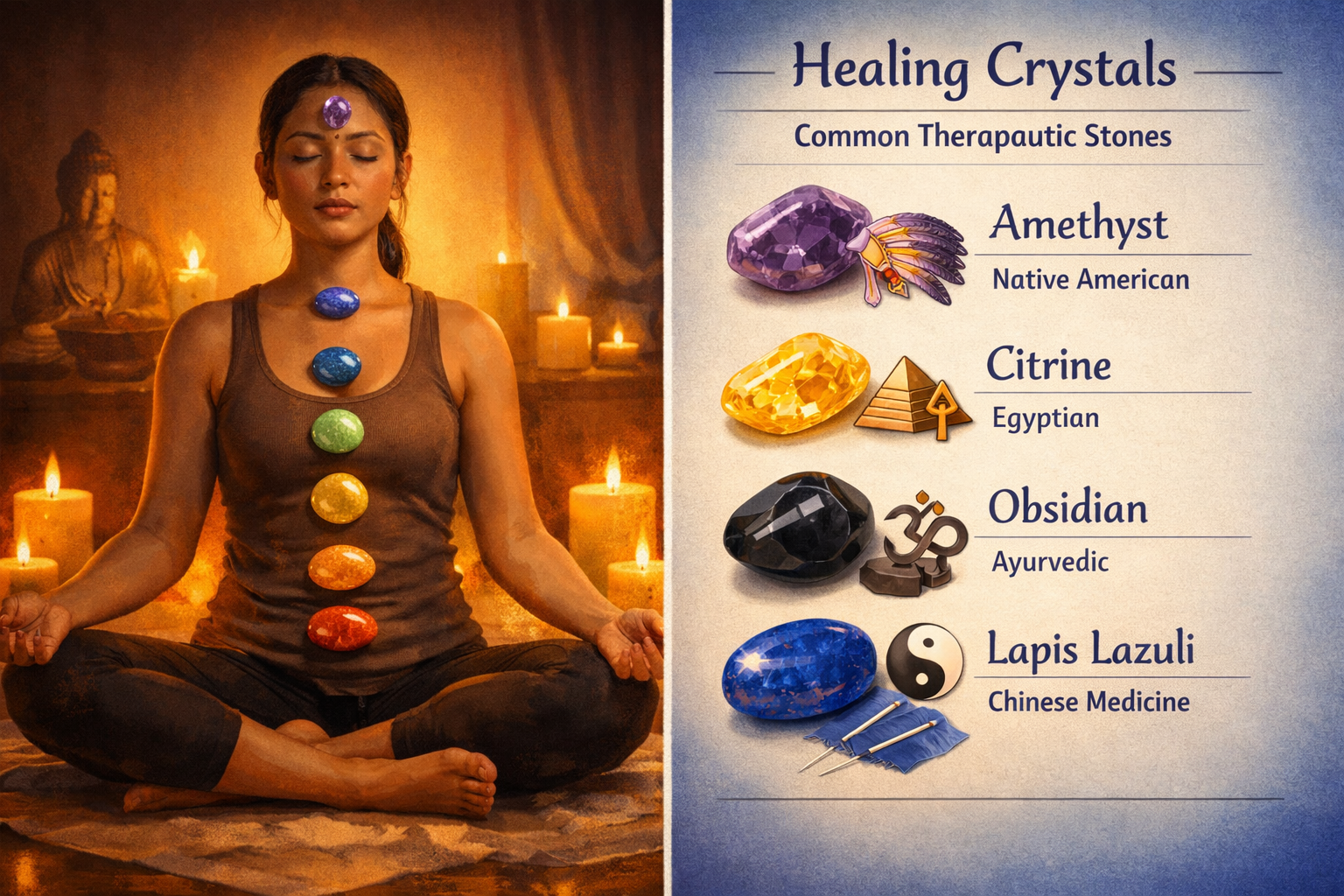
Ancient Egyptians buried their dead with lapis lazuli to protect the soul in the afterlife. Traditional Chinese medicine incorporated jade into healing rituals. Native American healers used turquoise for protection and spiritual connection. In Indian Ayurvedic tradition, specific gemstones were prescribed based on planetary alignments and individual constitution [3][5].
What makes a stone “therapeutic”?
- Its mineral composition and crystalline structure (practitioners believe these emit or interact with energy fields)
- Its color, which in many traditions corresponds to specific chakras or body systems
- Its cultural and historical associations
- The intention and mindfulness a person brings to working with it
“The cultural longevity of gemstone therapy — spanning continents and millennia — tells us something meaningful about human psychology, even if it doesn’t confirm metaphysical claims.”
Common stones and their traditional associations:
| Stone | Traditional Use | Associated Chakra |
|---|---|---|
| Amethyst | Calm, clarity, sleep support | Crown |
| Rose Quartz | Emotional healing, self-love | Heart |
| Black Tourmaline | Protection, grounding | Root |
| Citrine | Confidence, abundance | Solar Plexus |
| Lapis Lazuli | Wisdom, communication | Throat |
| Clear Quartz | Amplification, clarity | All chakras |
| Obsidian | Releasing negativity | Root |
What Does Science Actually Say About Therapeutic Stones?
Science is skeptical — and that’s worth being honest about. The National Center for Complementary and Integrative Health (NCCIH) notes that any demonstrated benefits from crystal use appear to result from the power of suggestion rather than any intrinsic property of the stones themselves [4].
A study presented at conferences (though not published in a peer-reviewed journal) found that people reported similar sensations whether they held real crystals or fake ones — suggesting the benefits were driven by expectation rather than the stones’ physical properties [6]. This is the placebo effect in action.
What this means practically:
- There is no verified scientific mechanism by which crystals emit healing energy or interact with the human body’s systems in a measurable way.
- Anecdotal reports of benefit are real experiences — they just can’t be attributed to the stone itself with current evidence.
- The placebo effect is not worthless. In many contexts, a strong placebo response translates into real symptom relief, particularly for subjective experiences like stress, pain perception, and mood [4].
Where science does support gemstone use:
Gemstone-based materials have been incorporated into lithotripsy — a medical procedure that uses focused energy to break down kidney stones inside the body. This represents a legitimate, evidence-based medical application of mineral materials, entirely separate from the broader claims of crystal healing [2].
How Can Therapeutic Stones Support Mental and Emotional Wellbeing?
Therapeutic stones can support mental and emotional wellbeing primarily through the mindfulness and intentional practices that accompany their use. The NCCIH recognizes that complementary practices like meditation and relaxation techniques — which are frequently paired with crystal work — can reduce anxiety, ease depression symptoms, and support people managing chronic conditions [4].
Here’s the practical pathway:
- Ritual creates pause. Selecting a stone, holding it, and setting an intention interrupts the automatic stress response. This brief mindful pause has measurable value.
- Tactile grounding. Holding a smooth, cool stone can serve as a sensory anchor during anxiety or overwhelm — similar to other grounding techniques used in somatic therapy.
- Symbolic focus. For many people, a stone becomes a physical reminder of a personal intention (patience, courage, healing). This is not magic; it’s the psychology of anchoring.
- Meditation enhancement. Many practitioners use stones during seated meditation to deepen focus. The ritual itself supports the practice.
Who benefits most from this approach:
- People who find abstract mindfulness practices easier with a physical anchor
- Those drawn to spiritual or esoteric frameworks for self-care
- Anyone looking to build a consistent meditation or reflection habit
- People managing mild to moderate stress or emotional fatigue
Who should be cautious:
- Anyone with a diagnosed mental health condition should not substitute crystal work for professional care
- People prone to magical thinking may benefit from keeping realistic expectations clear
Which Therapeutic Stones Are Most Commonly Used for Health Purposes?
The most commonly used therapeutic stones vary by tradition, but several appear consistently across cultures and modern wellness practices [3][5][7].
For emotional and mental support:
- Amethyst — Widely used for calming the mind, supporting sleep, and reducing anxious thinking. Associated with the crown chakra.
- Rose Quartz — Linked to self-compassion and emotional healing, particularly after grief or relationship difficulty.
- Lepidolite — Contains trace lithium and is often used in practices aimed at mood stabilization (though ingesting any stone is dangerous and never recommended).
For energy and vitality:
- Citrine — Called the “merchant’s stone” in some traditions; associated with motivation and positive energy.
- Carnelian — Used for confidence, creativity, and physical vitality.
- Red Jasper — Linked to stamina and grounding physical energy.
For protection and grounding:
- Black Tourmaline — One of the most popular stones for energetic protection and grounding.
- Obsidian — Used for releasing negative patterns and emotional blockages.
- Hematite — Associated with focus and staying present.
For physical complaints (traditional claims only, not medically validated):
Practitioners across various traditions have historically used stones like malachite for inflammation, moonstone for hormonal balance, and aquamarine for throat and thyroid-related issues [2][5]. These claims have no scientific backing and should not inform medical decisions.
How Are Therapeutic Stones Used in Practice?
There is no single correct method. The practice adapts to individual preference, cultural tradition, and intention. Here are the most common approaches [3][7]:
Wearing stones as jewelry
Rings, pendants, and bracelets keep a stone in contact with the body throughout the day. This is one of the oldest and most widespread methods.
Placing stones on the body
In a practice often called “crystal healing” or “laying on of stones,” specific crystals are placed on or near different parts of the body — often corresponding to chakra points — during a relaxation session. Practitioners claim this balances energy flow [3].
Meditation with stones
Holding a stone in the hand or placing it nearby during meditation is a common way to use crystals as a focal point for intention-setting.
Creating a home environment
Many people place stones in their living spaces — on a desk, beside a bed, or on an altar — as visual and energetic reminders of their intentions.
Crystal grids
Arranging multiple stones in geometric patterns is a more advanced practice used to amplify intentions or create a specific energetic field in a space.
Practical checklist for beginners:
- Choose a stone that resonates with you intuitively or based on its traditional associations
- Cleanse it before first use (common methods: moonlight, running water, sound, or selenite)
- Set a clear intention when you first hold it
- Use it consistently within a daily ritual (morning meditation, bedtime reflection)
- Notice how the practice affects your mood and focus over 2–4 weeks
- Keep realistic expectations — the stone is a tool, not a cure
What Are the Risks and Limitations of Using Therapeutic Stones?
The primary risk is not the stones themselves — it’s misusing them as a substitute for medical care. Therapeutic stones are safe as a complementary practice; they become problematic when they delay or replace evidence-based treatment [4][6].
Key risks to be aware of:
- Delayed medical care: Using crystals instead of seeing a doctor for serious symptoms is dangerous.
- Financial exploitation: The wellness market includes many overpriced products with exaggerated claims. A $5 tumbled amethyst and a $200 “certified healing crystal” are mineralogically identical.
- Toxic minerals: Some raw stones — like malachite dust, cinnabar (mercury sulfide), or amazonite — can be toxic if handled excessively or ingested. Never make crystal-infused water with raw stones without thorough research.
- Unrealistic expectations: Expecting a stone to resolve depression, physical illness, or trauma without professional support is not a safe approach.
Common mistake: Treating crystal healing as an either/or choice. The most grounded approach is to use therapeutic stones as a complement to — not a replacement for — conventional care, therapy, or medication.
How Do Different Cultural Traditions Approach Therapeutic Stones?
Therapeutic stones carry different meanings and applications depending on the tradition. Understanding this context adds depth to the practice and prevents cultural oversimplification [3][5].
Egyptian tradition: Lapis lazuli, turquoise, and carnelian were used in amulets and burial rites. Stones were believed to carry protective and regenerative power in both life and death.
Chinese medicine: Jade holds a central place in Chinese culture as a stone of health, longevity, and moral virtue. Jade rollers used in facial massage have roots in this tradition.
Indian Ayurveda and Jyotish (Vedic astrology): Specific gemstones are prescribed based on planetary positions in a birth chart. A Jyotish practitioner might recommend wearing a blue sapphire or ruby to strengthen a planetary influence. These prescriptions are highly individualized.
Native American traditions: Turquoise is one of the most sacred stones, used for protection, healing, and connection to the sky and water. Its use is deeply tied to specific tribal traditions and should be approached with respect.
Modern Western wellness: The current crystal healing movement draws from all of these traditions, often blending them into a more personalized, eclectic practice. This has made crystal use more accessible, though sometimes at the cost of cultural depth.
Can Therapeutic Stones Be Part of a Broader Wellness Routine?
Yes — and this is where they tend to add the most genuine value. Therapeutic stones work best as one element within a broader, intentional wellness practice rather than as a standalone solution.
Effective integrations:
- Pair amethyst or selenite with a nightly wind-down routine (journaling, stretching, screen-free time)
- Use a grounding stone like black tourmaline or hematite during breathwork or body scan meditations
- Place a citrine or carnelian on your desk as a focus anchor during deep work sessions
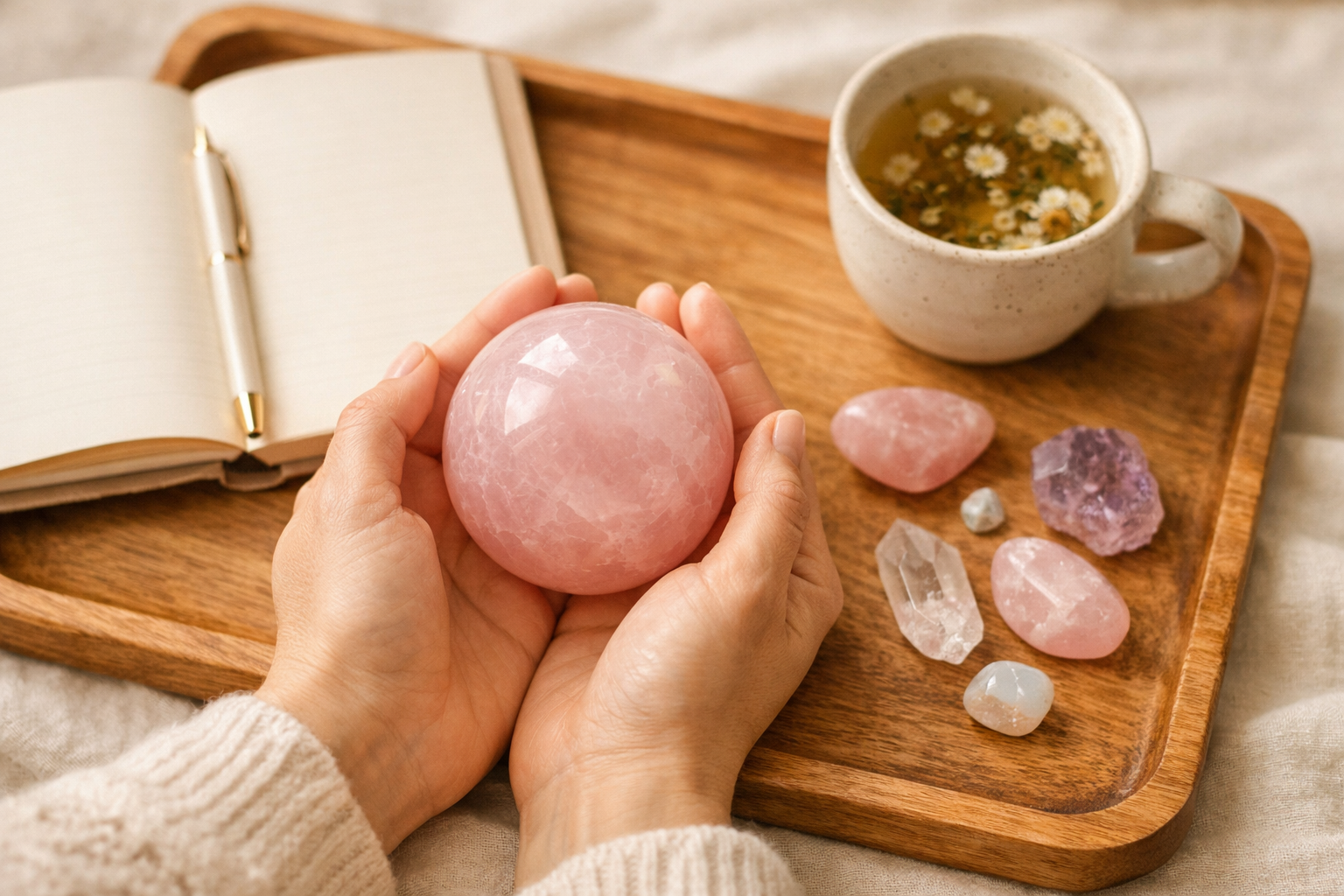
- Incorporate rose quartz into a self-compassion journaling practice
Choose this approach if: You already have a meditation, mindfulness, or self-care practice and want a tactile, symbolic element to deepen it.
Avoid this approach if: You’re looking for a quick fix for a medical or mental health condition without engaging with professional support.
The honest position is this: the stone doesn’t do the work. The practice does. But for many people, the stone makes the practice more consistent, more meaningful, and easier to sustain — and that is genuinely valuable.
Frequently Asked Questions
Q: Do therapeutic stones actually heal the body?
No peer-reviewed scientific evidence supports the idea that crystals have intrinsic healing properties. Any physical or emotional benefits are most likely due to the placebo effect and the relaxation practices paired with crystal use [4][6].
Q: Is crystal healing safe?
Generally yes, as a complementary practice. The main risk is using crystals instead of medical care for serious conditions. Some raw minerals can be toxic if ingested or handled in powdered form, so research specific stones before extended contact [6].
Q: Which stone is best for anxiety?
Amethyst is the most commonly recommended stone for anxiety in modern crystal practices. Lepidolite is also popular. That said, the calming effect comes from the mindfulness practice itself, not the stone’s chemistry [7].
Q: How do I cleanse a therapeutic stone?
Common methods include leaving it in moonlight overnight, running it under cool water (check if your stone is water-safe first), placing it on selenite, or using sound (singing bowls, bells). The method matters less than the intention behind it.
Q: Can I use therapeutic stones alongside medication or therapy?
Yes, as a complement — never as a replacement. Always continue prescribed treatments and consult your healthcare provider before making any changes to your care plan.
Q: What is the difference between a healing crystal and a gemstone?
The terms are often used interchangeably. “Gemstone” typically refers to the mineral’s quality and aesthetic value; “healing crystal” or “therapeutic stone” refers to its use in wellness practices. The same stone (amethyst, for example) can be both.
Q: Are expensive crystals more effective than cheap ones?
No. Price reflects rarity, size, and market positioning — not healing potency. A small tumbled stone from a local shop works just as well for practice purposes as a large, expensive specimen.
Q: How long does it take to notice benefits from using therapeutic stones?
Most practitioners suggest giving any new wellness ritual 2–4 weeks of consistent use before evaluating its effect. Any noticeable shift is more likely tied to the consistency of the accompanying practice (meditation, intention-setting) than the stone itself.
Q: Are there any stones I should avoid?
Avoid prolonged skin contact with malachite (copper-based), cinnabar (contains mercury), or pyrite dust. Never ingest stones or make gem water with raw, unpolished stones without confirming they are non-toxic.
Q: Can children use therapeutic stones?
With supervision, yes. Avoid small tumbled stones with young children due to choking risk. Larger palm stones used during quiet or creative time can be a gentle introduction to mindfulness for older children.
Conclusion: A Grounded Approach to Therapeutic Stones in 2026
Therapeutic stones occupy a fascinating space — one where ancient tradition, modern wellness culture, and scientific skepticism all intersect. The honest answer is that the stones themselves don’t cure disease or rewire brain chemistry. But the practices built around them — the stillness, the intention, the ritual — can genuinely support wellbeing for many people.
Actionable next steps:
- Start simple. Choose one stone based on intuition or a traditional association that resonates with you. Don’t invest heavily until you know the practice suits you.
- Pair it with a real habit. Attach your stone to an existing daily ritual — morning coffee, evening meditation, journaling. The habit creates the benefit.
- Stay medically grounded. Use therapeutic stones as a complement to professional care, not a substitute. If you’re managing a health condition, keep your doctor informed about all complementary practices.
- Research your stones. Know which minerals are safe for skin contact, which are water-soluble, and which have cultural significance that deserves respect.
- Evaluate honestly after 30 days. Ask yourself: has my practice become more consistent? Do I feel calmer or more focused? If yes, the tool is working — even if the mechanism is psychological rather than metaphysical.
The value of therapeutic stones, for those who use them well, is real. It just lives in the practice, the pause, and the intention — not in the mineral itself.
References
[1] Pmc12156816 – https://pmc.ncbi.nlm.nih.gov/articles/PMC12156816/
[2] Physical Health Benefits – https://naturalgemstones.com/education/physical-health-benefits/
[3] Crystal Healing – https://www.ebsco.com/research-starters/complementary-and-alternative-medicine/crystal-healing
[4] Guide To Healing Crystals – https://www.healthline.com/health/mental-health/guide-to-healing-crystals
[5] Gemstones Health Benefits – https://www.gemsociety.org/article/gemstones-health-benefits/
[6] Crystal Therapy – https://www.webmd.com/vitamins/ai/ingredientmono-1228/crystal-therapy
[7] Crystal Healing Stones Benefits – https://jadesessence.com/blogs/news/crystal-healing-stones-benefits
Read next: How to Start Running When You’re Completely Out of Shape. A closer look at start running out of shape.